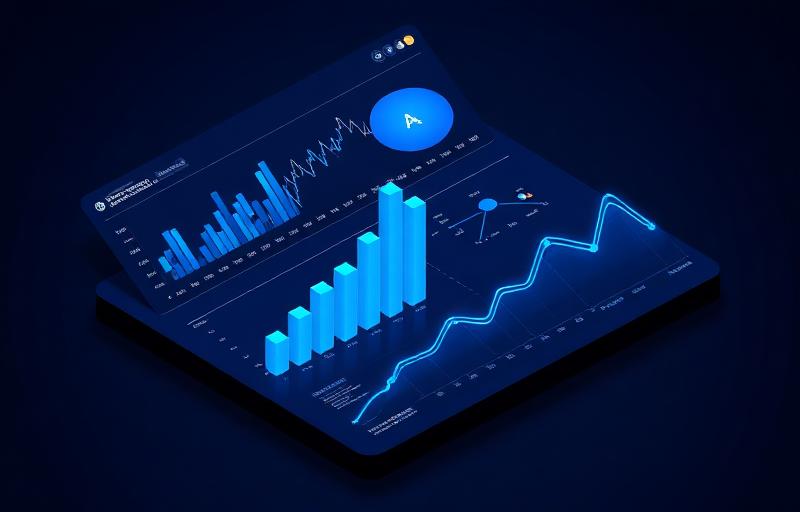
The Power of Automated Reporting
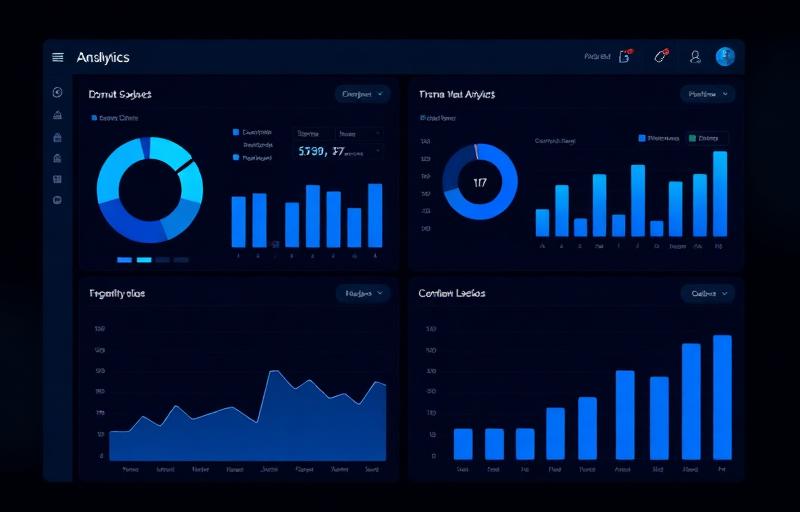
Introduction
Automated reporting has become a critical capability for organizations that want to move from reactive reporting to proactive decision-making.
In this article, we explore the practical considerations, frameworks, and best practices Databacs uses when helping clients turn their data into measurable business outcomes.
Why It Matters
Modern organizations generate more data than ever, yet many still struggle to translate that volume into clarity. The gap between data availability and decision-readiness is where most value is lost.
Closing this gap requires a deliberate approach to measurement, instrumentation, and reporting — not just more dashboards.
Our Approach
We start by aligning measurement to business outcomes. Every metric should answer a specific question that drives a specific decision.
From there, we design lean reporting layers, automate the repetitive work, and equip leadership with the context they need to act with confidence.
Putting It Into Practice
Implementation succeeds when analytics is treated as a product, not a project. That means clear ownership, iterative delivery, and continuous feedback from the people using the insights.
Databacs partners with operations, finance, and leadership teams to embed analytics into the daily rhythm of the business.